
Useful strategy.
Practical
execution.
Business strategy, government and Indigenous relations, operations and digital systems, structured around the work your organization needs to get done.
Founded in 2021 · Independent, founder-led consulting
What can we help you with?
One choice to get started. No forms or account needed.
We match your interest to a few relevant areas. These are suggestions, not guarantees or automated advice.
For business owners
From a funding-ready plan to stronger day-to-day operations, get a practical scope rather than a generic sales pitch.
Three choices. One page you can act on.
You get the services that fit, what to have ready and the first 30 days. Print it or send it to us.
YOUR PROJECT BRIEF
Answer three questions.
Your one-page brief appears here: the services that fit, what to have ready, and what the first 30 days look like. You can print it or send it to us.
PROJECT BRIEF | TARRABIN CONSULTING LTD.
Services that fit
Have these ready
The first 30 days
This brief is a starting point built from your three answers. A first call confirms the scope and the quote.
See what we can make possible.
Explore our services, technology and real-world work.
From a business challenge to an actionable plan.
Sample project. The business and every figure are fictional.
Second service bay for an equipment repair shop
- 2 of 4readiness items complete
- 4actions with an owner
- 12weeks to opening
Objective
- Goal
- Open a second service bay and hire one technician within 12 months, without missing a loan payment.
- Decision owner
- The shop owner.
- Constraint
- The lease allows renovation only with the landlord's written consent.
- How success is measured
- Bay open, technician hired, and two months of costs kept in reserve.
Financial readiness
2 of 4 items ready
- Two years of financial statementsReady
- Equipment quotes for the hoist and compressorReady
- 12-month cash-flow forecastIn progress
- Lender packageNot started
Required actions
| Action | Owner | Due |
|---|---|---|
| Confirm landlord consent for the renovation | Owner | Week 2 |
| Build the cash-flow forecast | Tarrabin Consulting | Week 3 |
| Submit the lender package | Owner and Tarrabin Consulting | Week 5 |
| Order equipment | Owner | Week 7 |
Timeline
Weeks 1 to 12.
Deliverables
- Business planWritten for a lender to read.
- Cash-flow forecastTwelve months, month by month.
- Action listEach action has an owner and a date.
- Review scheduleA monthly check against the plan.
What we do
We turn a business decision into a written plan with numbers, owners and dates.
How it works
We set the scope with you, gather the costs and requirements, write the plan and stay through the follow-up.
What you gain
A plan you can hand to a lender, a partner or your own team.
A clear path from an issue to an agreed action.
Indigenous governments are governments. They set their own processes and decide their own participation. Nothing on this page means that any Nation has endorsed or retained Tarrabin Consulting.
Sample details. This is not a real project.
Step 1 of 6
Define the issue
State the decision needed, who can make it and by when.
Sample briefing line
Approval to haul gravel on a municipal road for ten weeks, needed before June.
You hold: A one-page issue statement.
Step 2 of 6
Understand governance requirements
Find out which governments have authority and what each process requires.
Sample briefing line
A municipal road-use agreement. A provincial permit for overweight loads. Notice to the neighbouring Nation under its own consultation process.
You hold: A requirements list.
Step 3 of 6
Identify appropriate participants
List the offices that hold the decision or must be informed. Each government decides who speaks for it.
Sample briefing line
The municipal engineering office. The provincial permit office. The Nation's consultation office.
You hold: A contact and protocol list.
Step 4 of 6
Prepare engagement materials
Write the briefing note, maps, schedule and the specific request for each reader.
Sample briefing line
A two-page briefing, a haul route map and a dust and traffic plan.
You hold: A briefing package.
Step 5 of 6
Support discussions
Attend, take notes and track questions and commitments. The decision-makers lead the discussion.
Sample briefing line
Three meetings. Eleven questions logged, each with an owner.
You hold: A meeting record.
Step 6 of 6
Document agreed actions
Record who agreed to what and by when, and send it to everyone who was in the room.
Sample briefing line
An agreement with four conditions. Follow-up dates set.
You hold: An action record.
What we do
We prepare you for conversations with municipal, provincial and Indigenous governments, and we keep the record.
How it works
Six steps, from defining the issue to documenting what was agreed.
What you gain
You know who decides, what they need from you and what was agreed.
Recover more value from industrial gas streams.
Explore how membrane separation could support gas recovery and industrial innovation in Wood Buffalo.
Bring Borna Technology to Wood BuffaloExplore a Wood Buffalo Opportunity
Swipe the diagram sideways to see every stage.
Stage 1 of 6
Feed gas
Associated gas comes off with the oil. Where it cannot be used at the site, some or all of it is flared.
Stage 2 of 6
Compression
A compressor raises the gas to the pressure the process needs. The recycled permeate rejoins the gas here.
Stage 3 of 6
Condensation
The condenser cools the compressed gas. The heavier hydrocarbons turn to liquid and drop out.
Stage 4 of 6
Membrane separation
The remaining gas passes across the membrane. Heavier hydrocarbons pass through it faster than methane and return to the compressor for another pass. The gas left behind is mostly methane.
Stage 5 of 6
Fractionation
The liquid from the condenser goes to a fractionator, which splits it into LPG and a heavier condensate.
Stage 6 of 6
Outputs
Three streams leave the unit. Each one needs a use or a buyer before a project makes sense.
Possible outputs
- LPG product
- Condensate to storage
- Methane-rich residue gas for pipeline fuel, LNG or CNG, where the site supports it
Borna describes this unit as running at ambient temperature and medium pressure, without refrigerants, absorbents or chemicals.
What an engineer would need to assess a real application
- Gas composition, including the share of propane, butane and heavier components
- Flow rate and how much it varies
- Pressure and temperature at the source
- Water and hydrogen sulphide content
- Where the residue gas will go
- Storage and transport for the liquids
Read this process as text
- Feed gas. Associated gas comes off with the oil. Where it cannot be used at the site, some or all of it is flared.
- Compression. A compressor raises the gas to the pressure the process needs. The recycled permeate rejoins the gas here.
- Condensation. The condenser cools the compressed gas. The heavier hydrocarbons turn to liquid and drop out.
- Membrane separation. The remaining gas passes across the membrane. Heavier hydrocarbons pass through it faster than methane and return to the compressor for another pass. The gas left behind is mostly methane.
- Fractionation. The liquid from the condenser goes to a fractionator, which splits it into LPG and a heavier condensate.
- Outputs. Three streams leave the unit. Each one needs a use or a buyer before a project makes sense.
Swipe the diagram sideways to see every stage.
Stage 1 of 6
Raw gas
Raw natural gas arrives at a compressor station. Heavier hydrocarbons, hydrogen sulphide and water make it poor fuel for an engine.
Stage 2 of 6
Compression
The station compressor raises the gas to line pressure.
Stage 3 of 6
Slipstream
A small share of the compressed gas is taken off as fuel for the engine or turbine that drives the compressor.
Stage 4 of 6
Membrane unit
The membrane removes heavier hydrocarbons, hydrogen sulphide and water from that fuel stream. The membrane unit itself has no moving parts.
Stage 5 of 6
Conditioned fuel
Cleaner, drier fuel gas goes to the gas engine or turbine.
Stage 6 of 6
Permeate return
The removed components go back to the compressor inlet and stay in the main gas stream.
Possible outputs
- Conditioned fuel gas for the engine or turbine
- Permeate returned to the main gas stream
Borna lists a lower dew point and removal of part of the acid gases among the purposes of this unit.
What an engineer would need to assess a real application
- Raw gas composition
- The fuel specification of the engine or turbine
- Fuel flow required
- Compressor suction and discharge pressure
- Hydrogen sulphide, carbon dioxide and water content
Read this process as text
- Raw gas. Raw natural gas arrives at a compressor station. Heavier hydrocarbons, hydrogen sulphide and water make it poor fuel for an engine.
- Compression. The station compressor raises the gas to line pressure.
- Slipstream. A small share of the compressed gas is taken off as fuel for the engine or turbine that drives the compressor.
- Membrane unit. The membrane removes heavier hydrocarbons, hydrogen sulphide and water from that fuel stream. The membrane unit itself has no moving parts.
- Conditioned fuel. Cleaner, drier fuel gas goes to the gas engine or turbine.
- Permeate return. The removed components go back to the compressor inlet and stay in the main gas stream.
Swipe the diagram sideways to see every stage.
Stage 1 of 5
Feed gas
A gas stream that contains carbon dioxide, such as raw natural gas.
Stage 2 of 5
Conditioning
Liquids and particles are removed and the gas is brought to the pressure and temperature the membrane needs. The equipment depends on the gas.
Stage 3 of 5
Membrane separation
Carbon dioxide passes through this kind of membrane faster than methane does (Baker and Lokhandwala, 2008).
Stage 4 of 5
Two streams
The permeate is richer in carbon dioxide. The residue is richer in methane.
Stage 5 of 5
What happens to the CO2
Separation produces a carbon dioxide stream. It does not store it. Use, sale or permanent storage is a separate project with its own approvals.
Possible outputs
- Methane-rich gas
- A carbon dioxide-rich stream that still needs a destination
How pure each stream is depends on the gas and the design. No figures are published here.
What an engineer would need to assess a real application
- Feed composition and the share of carbon dioxide
- Flow rate and pressure
- The carbon dioxide level required in the product gas
- What will be done with the carbon dioxide stream
- Other contaminants in the gas
Read this process as text
- Feed gas. A gas stream that contains carbon dioxide, such as raw natural gas.
- Conditioning. Liquids and particles are removed and the gas is brought to the pressure and temperature the membrane needs. The equipment depends on the gas.
- Membrane separation. Carbon dioxide passes through this kind of membrane faster than methane does (Baker and Lokhandwala, 2008).
- Two streams. The permeate is richer in carbon dioxide. The residue is richer in methane.
- What happens to the CO2. Separation produces a carbon dioxide stream. It does not store it. Use, sale or permanent storage is a separate project with its own approvals.
Swipe the diagram sideways to see every stage.
Stage 1 of 6
Vapour feed
Hydrocarbon vapour is pushed out when tanks, trucks, rail cars or vessels are filled. This is the vapour a recovery unit collects.
Stage 2 of 6
Compression
A liquid ring compressor draws the vapour in and compresses it.
Stage 3 of 6
Scrubber
In the scrubber the compressed vapour meets liquid pumped from the storage tank. Much of the hydrocarbon is absorbed or condenses and returns to the tank as liquid.
Stage 4 of 6
Membrane unit
The gas leaving the scrubber passes across the membrane. Remaining hydrocarbon vapour passes through it. Cleaned gas leaves the unit.
Stage 5 of 6
Vacuum pump and recycle
A vacuum pump on the permeate side pulls the hydrocarbon-rich stream back to the compressor inlet for another pass.
Stage 6 of 6
Outputs
Recovered product stays in the tank. Clean gas leaves the unit.
Possible outputs
- Recovered liquid returned to the storage tank
- Clean gas leaving the unit
Borna builds these units as modules designed for each site. It lists transfer terminals and refineries, marine terminals and fuel stations as uses.
What an engineer would need to assess a real application
- The products being stored or loaded
- Vapour flow at peak loading
- The emission limit the site has to meet
- Utilities available at the site
- The hazardous-area classification
Read this process as text
- Vapour feed. Hydrocarbon vapour is pushed out when tanks, trucks, rail cars or vessels are filled. This is the vapour a recovery unit collects.
- Compression. A liquid ring compressor draws the vapour in and compresses it.
- Scrubber. In the scrubber the compressed vapour meets liquid pumped from the storage tank. Much of the hydrocarbon is absorbed or condenses and returns to the tank as liquid.
- Membrane unit. The gas leaving the scrubber passes across the membrane. Remaining hydrocarbon vapour passes through it. Cleaned gas leaves the unit.
- Vacuum pump and recycle. A vacuum pump on the permeate side pulls the hydrocarbon-rich stream back to the compressor inlet for another pass.
- Outputs. Recovered product stays in the tank. Clean gas leaves the unit.
Each application uses a different arrangement of equipment. Results depend on the gas and the design, so this page publishes no recovery, emission or payback figures. An engineering assessment comes first.
- Gas recovery
- Collecting hydrocarbons that would otherwise be flared or vented, so they can be used or sold.
- CO2 separation
- Splitting carbon dioxide out of a gas mixture.
- Carbon capture
- Separating carbon dioxide at an emission source so that it is not released.
- Permanent storage
- Putting captured carbon dioxide underground for the long term. It is a separate project and is not offered or claimed here.
Could this technology work in Wood Buffalo?
Wood Buffalo's industrial sector offers potential opportunities to evaluate gas recovery and separation technologies. We welcome conversations with operators, technology partners and regional stakeholders interested in assessing suitable applications.
What a first conversation can look at
- Industrial gas recovery opportunities
- Potential resource utilization
- Technology feasibility assessment
- Local technical and business collaboration
- Potential economic development opportunities
These are opportunities to investigate. They are not project results.
Context: the Regional Municipality of Wood Buffalo's Municipal Development Plan lists economic growth and innovation among its goals. The Municipality has not reviewed, approved or endorsed this technology.
Tarrabin Consulting works on the commercial side: the business case, partnerships and project development. The technology and its engineering belong to Borna Technology. No installation in Wood Buffalo exists or is claimed. Read the Borna Technology page
Operate a sample system before you commission one.
| Record | Owner | Status |
|---|---|---|
| Website update | Demo team | In progress |
| Site inspection | Demo team | Due |
| Business plan | Demo team | Draft |
Sample data. Open the Quotes, Tasks and Workflow tabs and move a record through its stages.
What we do
We design and build business software and websites around how a company already works.
How it works
We map the workflow, build a working version, test it with your staff and train them.
What you gain
One place to see leads, quotes, tasks and invoices.
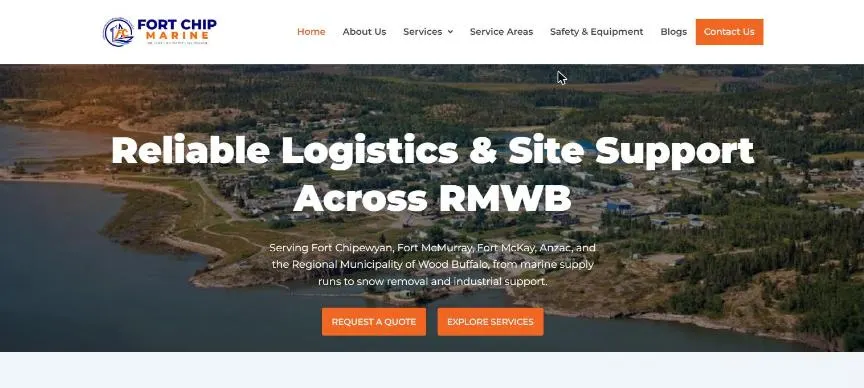
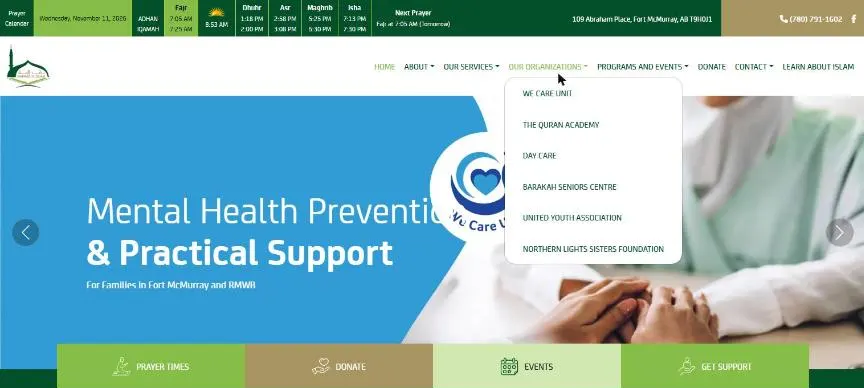
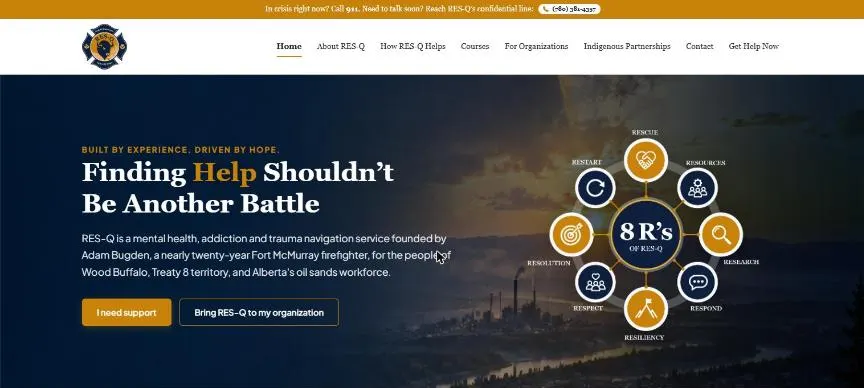
Websites you can open today.
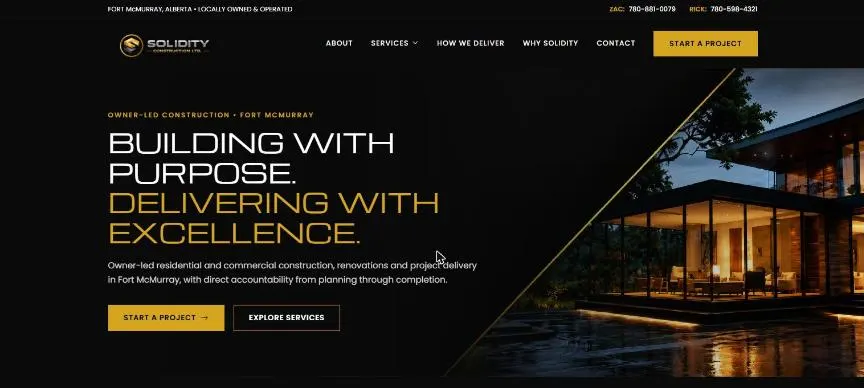
What we do
Branding, websites and social media for local companies and organizations.
How it works
Brand direction first, then structure and copy, then design and build.
What you gain
A finished website and brand, delivered by a Fort McMurray team.
A record with dates and sources.
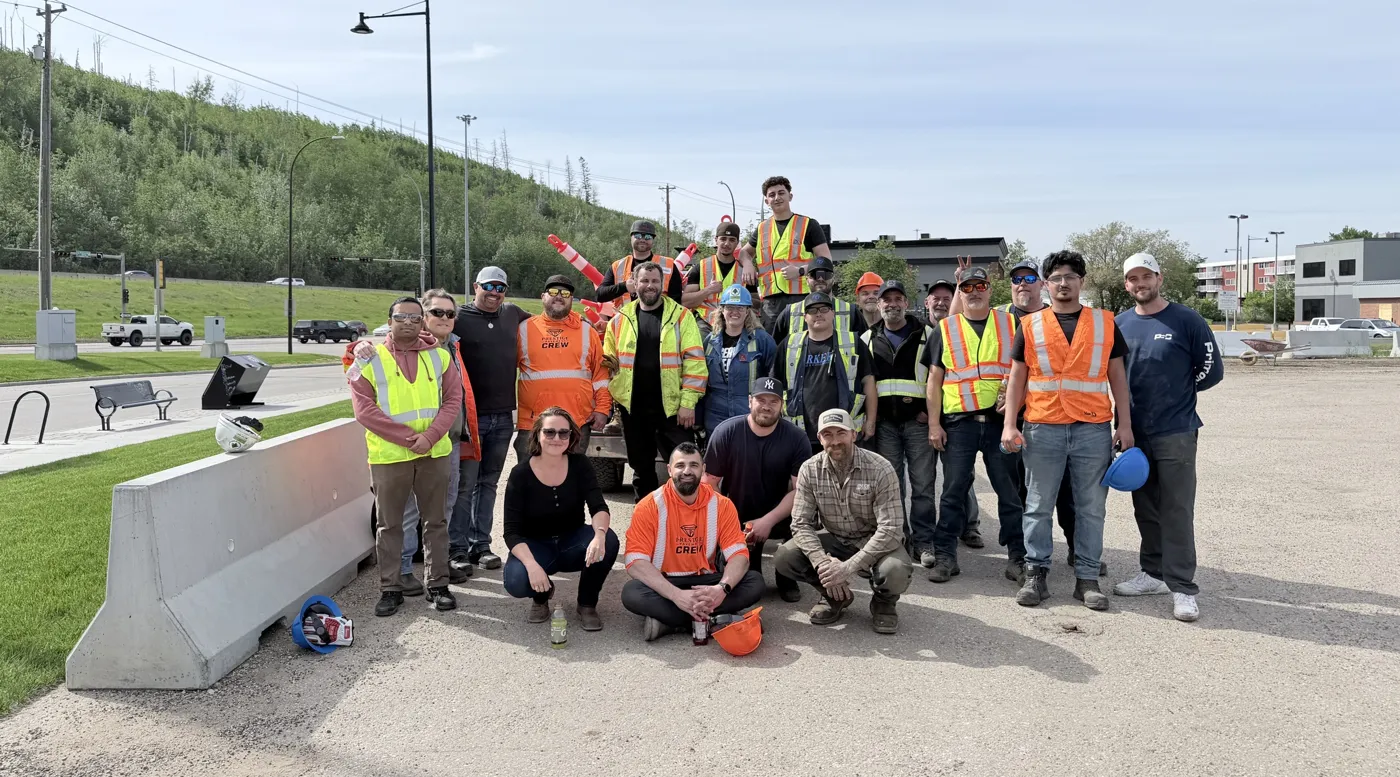
- June 12, 2026Highway 63 volunteer repair day. About 80 volunteers filled about 200 potholes on a two-kilometre stretch. Sources: CTV News, June 2026, The Canadian Press via Calgary Journal, June 2026
- April 23 to 24, 2026Highway 63 snowstorm. Mohamed and co-workers spent the night taking food, fuel and water to stranded drivers, with RCMP assistance.Source: CBC News via Yahoo News, April 24, 2026
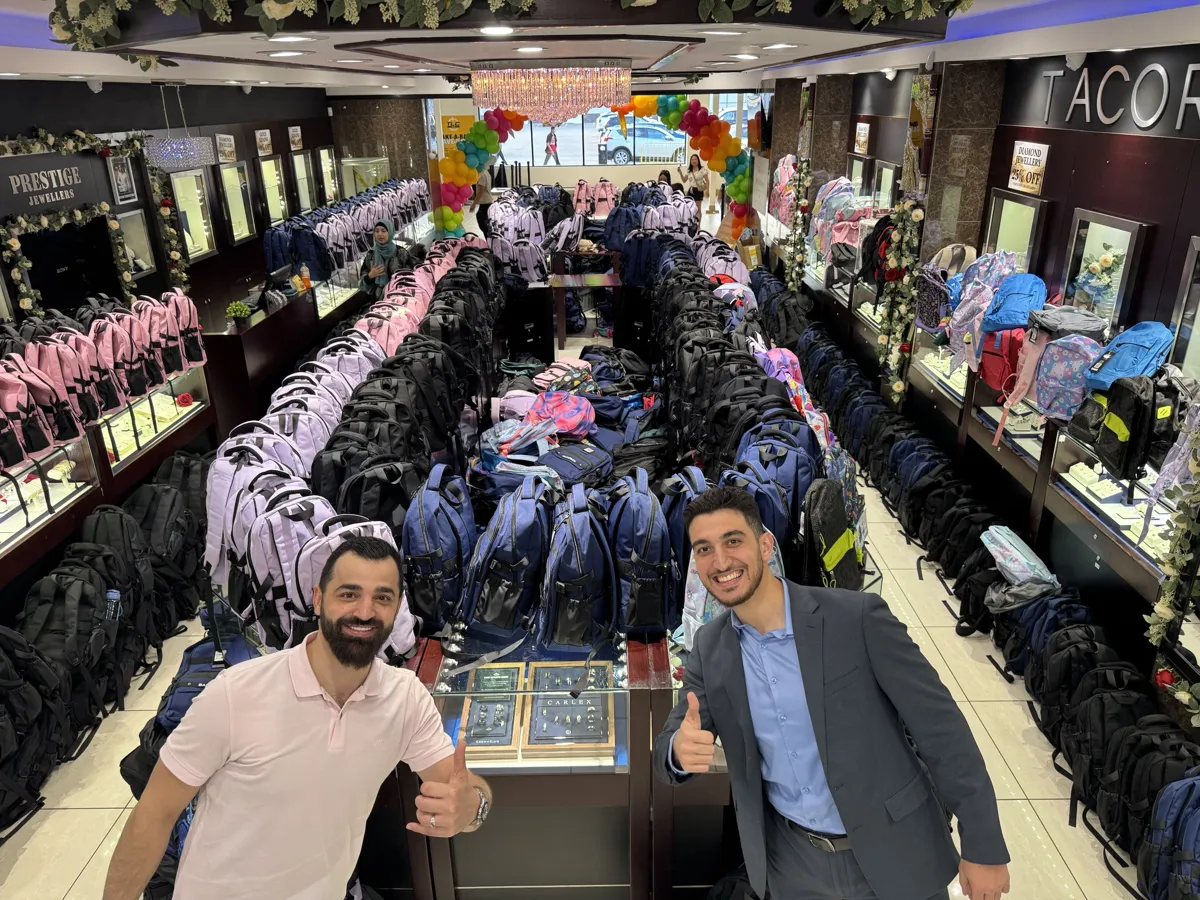
- January 2024A Prestige Jewellers ring raffle raised more than $22,000 in three days for a local family.Source: play 103.7, January 18, 2024
- 2015 to 2018Community Adult Learning Facilitator with Keyano College in Fort Chipewyan.Source: Mohamed Tarrabin's own record
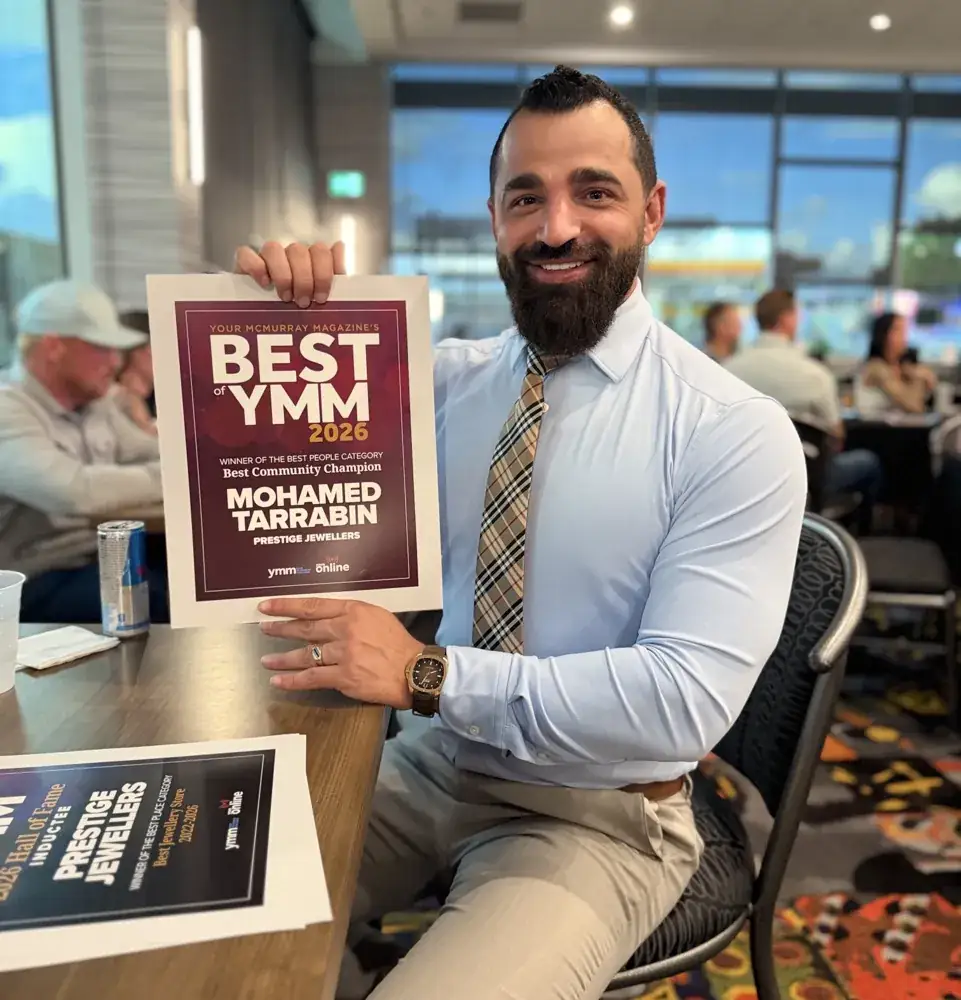
Community work shows how Mohamed Tarrabin leads. Tarrabin Consulting does not sell it as a service. Money raised from the public is described as raised, and work by governments or other organizations is credited to them.
From the workshop bench to business leadership.
Mohamed Tarrabin began hands-on jewellery work in 2011, completed an instrumentation engineering technology diploma in 2014, became a shareholder at Prestige in 2018 and founded Tarrabin Consulting in 2021.
Explore the full timeline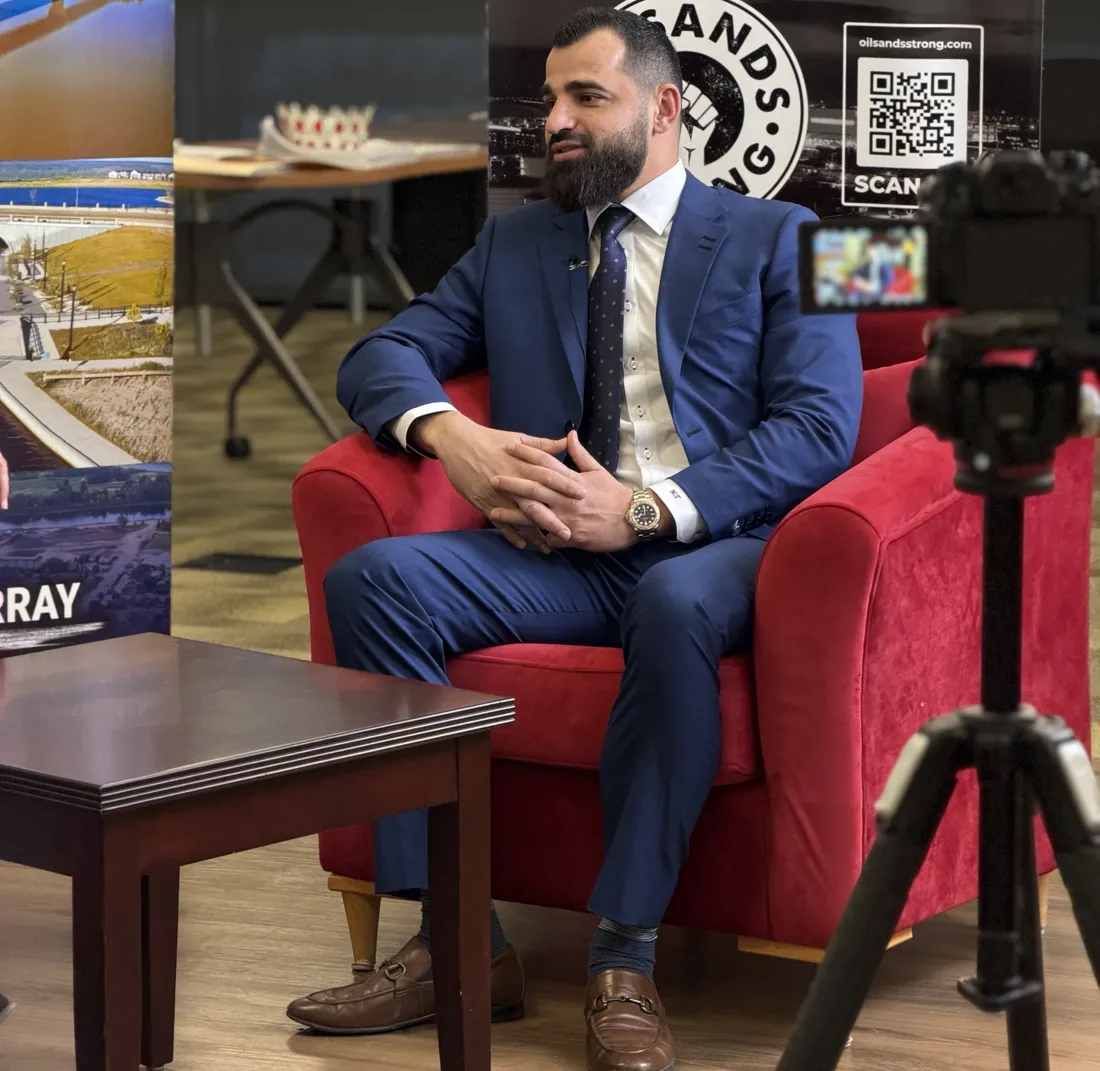
Speak with our team
Call, email or send a request. We reply within one business day.