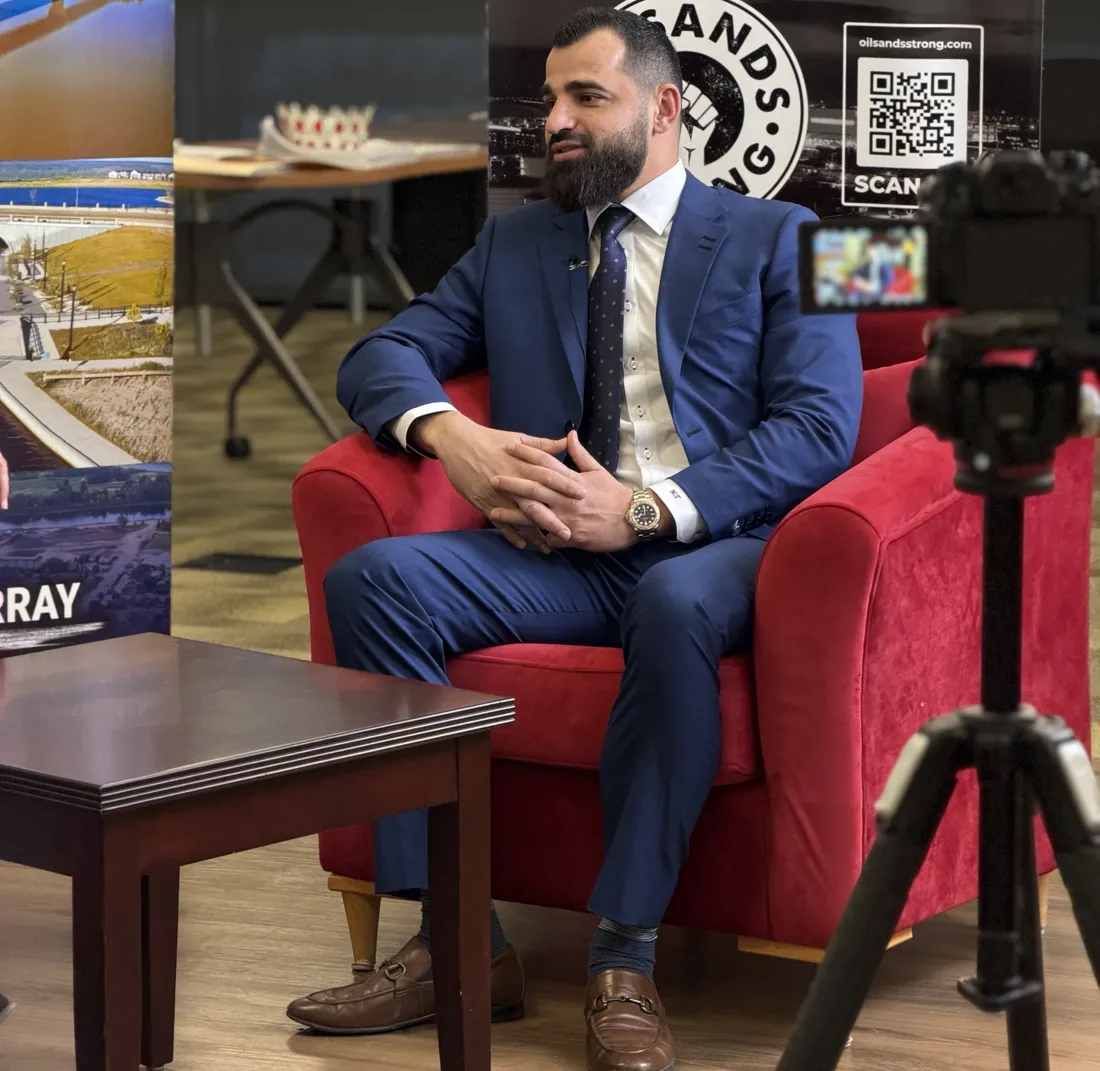
Where these lessons come from
From 2015 to 2018, Mohamed Tarrabin worked as a Community Adult Learning Facilitator with Keyano College in Fort Chipewyan, a fly-in community on Lake Athabasca. In 2024 he led the development and coordination of Circle of Life, an Indigenous training program with Chipewyan Prairie First Nation.
Plan around the calendar
In a fly-in or winter-road community, travel, freight and weather set the schedule. Plan intakes around the seasons, hunting and cultural events, and when the winter road or barge runs. A program that ignores the calendar loses its learners.
Hire and train local facilitators
People learn faster from someone they know. Budget for local co-facilitators and train them so the program can run again without outside staff.
Teach to a real job
Tie each module to work that exists in or near the community: a ticket employers ask for, a trade, a business skill. Ask local employers what they need before the program is designed.
Remove the small barriers
Childcare, meals, transportation and internet access decide attendance more than course content does. Put them in the budget.
Measure and report honestly
Count enrolment, completion, certificates and jobs, and report them to the community first. Honest numbers make the next round of funding easier.